alfred hendrickx, vintage design, willy van der meeren, tubax, drafting table, belform, 1950s, friso kramer, wim rietveld, pastoe, verner panton, coffee table,
wall unit, industrial design, city-furniture, table ,chairs, louis poulsen, hala,zeist, eero aarnio, df 2000, raymond loewy, wenge, martin visser, mario sabot, oswald vermaercke, georges vanrijk, willy daro, cidue, willy ceysens, theo verhulst, guy lefevre, dining table, kastrup,holmegaard, folke jansson, travertin, sergio and giorgio saporiti, georges mathias, raak, dutch design, ettore sottsass,
daybed cleopatra, vistosi, jules wabbes, aredoluce, durlet, lutjens, hans wegner, augusto bozzi, lounge chair, mid century, decorative, vico magistretti,
rougier, ado chale, danish modern, art, glass, italian, woven cane, artifort, arne jacobsen, swan, cees braakman, beaufort, marcello cuneo,
belgium, pierre paulin, pilastro, warren platner, knoll, gaetano sciolari, lucien engels, henry van de velde, modern publicity, luce, david hicks, domus, maria pergay, maarten van severen, v-form, gio ponti, harry bertoia, ron arad, ettore sottsass, jean prouve, mathieu mategot, serge mouille, pierre jeanneret, le corbusier, max ingrand, angelo lelli, tobia scarpa, poul kjaerholm, george nelson, herman miller, emiel veranneman, pieter de bruyne, interieurarchitect, guy vandenbranden, achille castiglioni, isamu noguchi, harris armstrong, osvaldo borsani, steph simon, charlotte perriand, greta grossman, fontana arte, arredoluce, fritz hansen, dieter rams, guariche, thonet, george nakashima, dirk van sliedrecht, guariche, kho liang le, alexander girard, mies van der rohe, Tecta, jos de mey, Lutgart De Meyer, cassina, Fernand Dresse, brutalist, joe colombo, Raf Verjans, Yves Rhaye, Arne Hovmand Olsen, Geoffrey Harcourt, zaalberg, Arne Vodder, Aldo Van Den Nieuwelaar, Pia Manu, Mazzega, Alvar Aalto, Van Den Berghe Pauvers, Boris Tabacoff, Ico Parisi, Gufram, Hugo Frandsen, Gaetano Pesce, Rene Hertecant, Artemide, Rudy Verelst, Eames, Rogier Vandeweghe, Amphora, Jean Marais, Paul Vermeire, rodolfo bonetto, de coene, francesco buzzi, Matteo Thun, ellsworth kelly, Tobia Scarpa, Frans Van Praet, Fermigier, Jacques Charpentier, Minimalist, George Nelson, Leon Stynen, Bieffeplast, architectural, durlet, Paolo Tilche, Jannie Van Pelt, Kalmar
ONLINE DESIGN GALLERY SPECIALIZING IN MODERN AND CONTEMPORARY FURNITURE, ART AND DESIGN.



Beste Stephanie en Lenz,
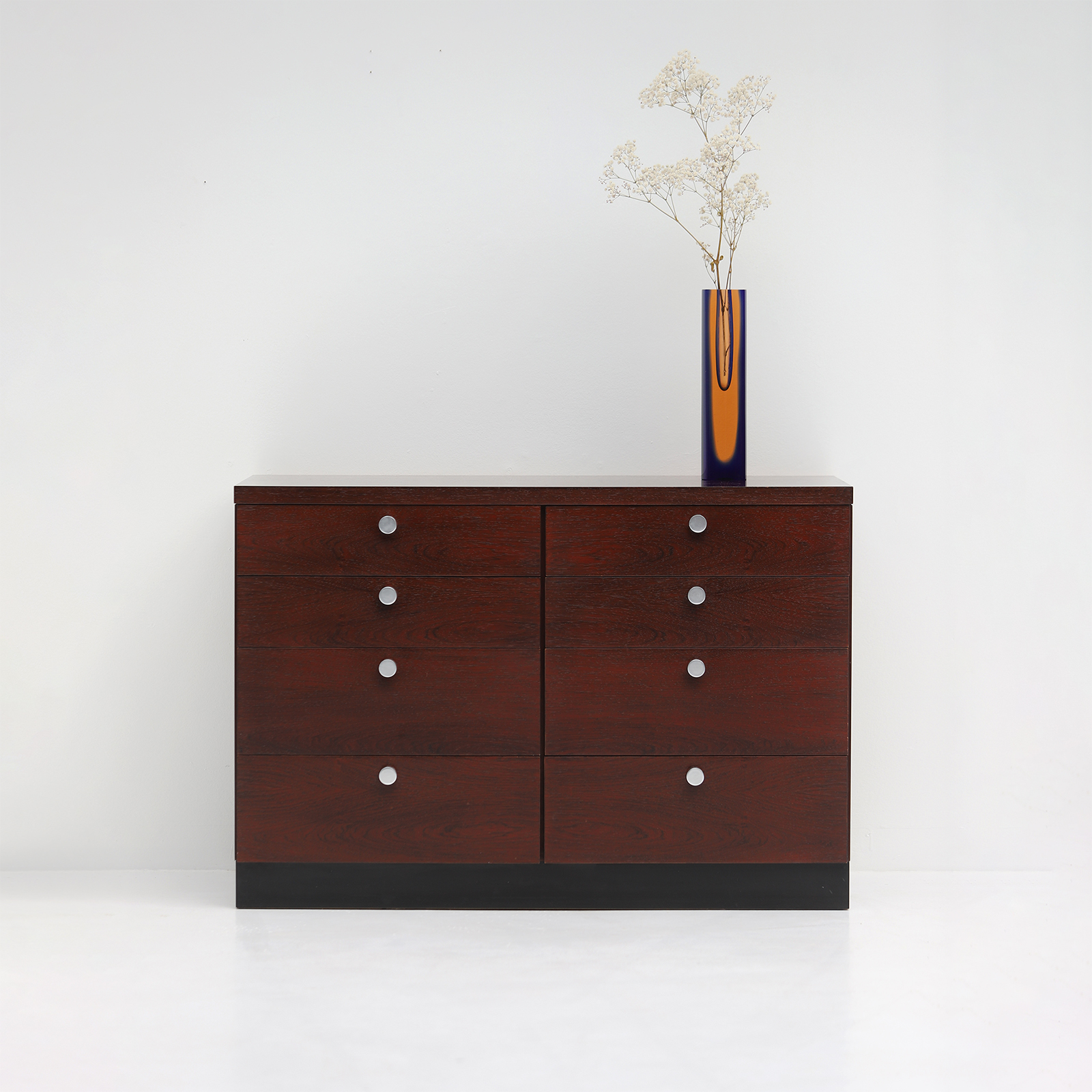
Zelden zo goed gewerkt als de laatste twee dagen aan mijn nieuw bureau: ik voel me er helemaal in mijn sas :-)
Mijn vrouw en dochters waren ook enorm enthousiast.
Nogmaals bedankt voor jullie super sympathieke en bijzonder snelle service.
Ik blijf jullie site goed in het oog houden.
Tot ziens en nogmaals dank,
Peter
Dear Lenz,
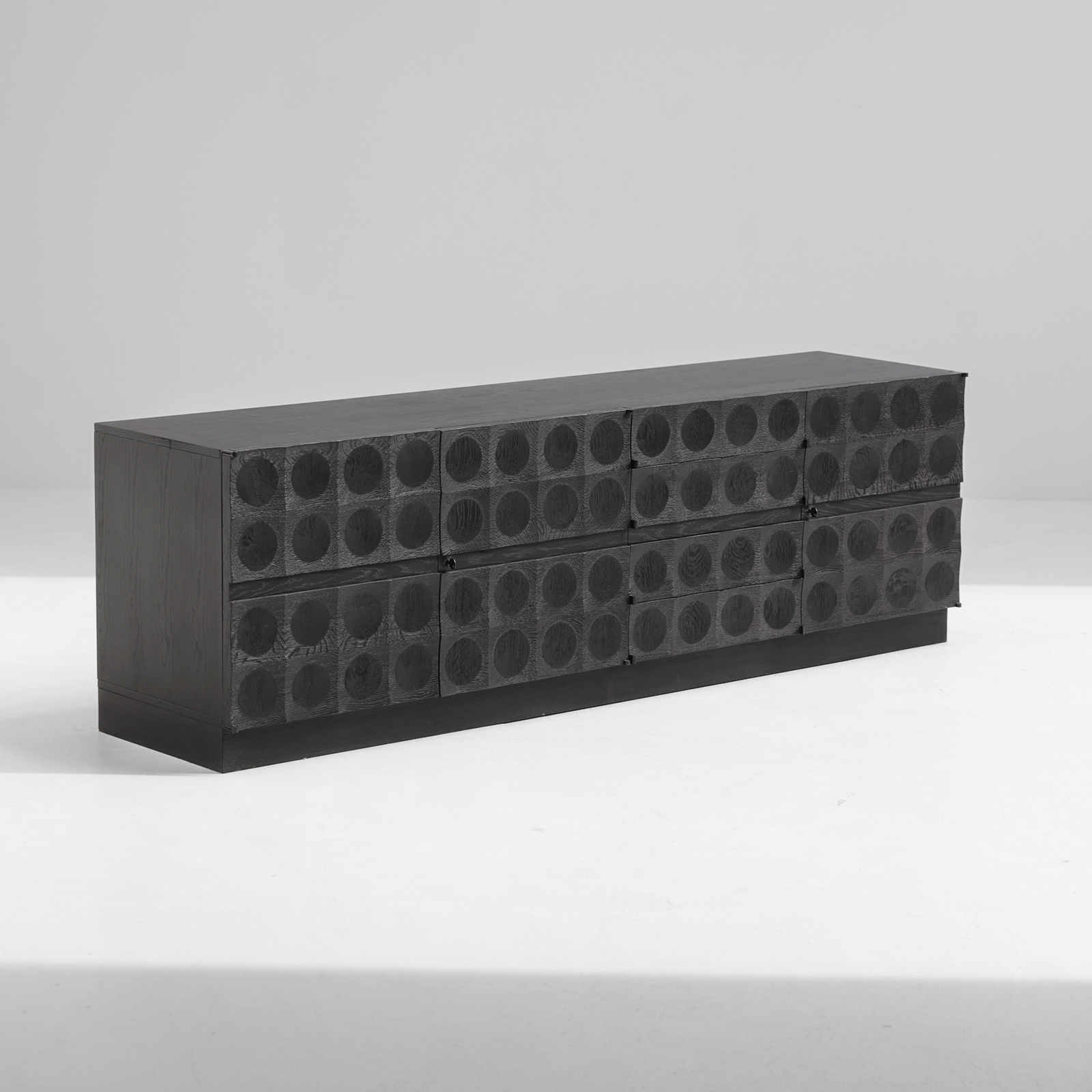
We are very pleased with the two sideboards I purchased from you. The quality and condition of both items we received are as good, if not better than the descriptions provided on your website.
The delivery was totally professional and first-class.
I will continue watch for your website items, as I have total confidence in the quality of what you sell and the packing/delivery service you provide.
Thanks & Best Wishes,
Jack
Hi Lenz,
Yes, the delivery was good. In spite of heavy traffic delays, it all went well. The lounge chair looks good, I'll send you photos soon!
Thanks for the swift & smooth (as always) interaction!
Rachna
Bonjour Lenz,
J'ai récupéré ce matin le colis contenant la céramique de Roger Capron, qui est en parfait état. Je tenais à vous féliciter pour la qualité de l'empaquetage et le sérieux avec lequel vous travaillez !
Je le consulte très régulièrement votre site et je ne doute pas qu'un nouveau coup de coeur soit possible dans le futur.
Très cordialement.
Joachim.
Hi Lenz,
Thank you for your excellent packing and shipping.
Everything arrived perfectly!!!!.
Thanks again for combining the shipping for me.
Really appreciate it.
All the best for now.
Will keep an eye on your website.
Regards
Tony
Hello Lenz,
The black woman figurine has just arrived in a well-preserved condition! Thank you!
With kind regards
Bruno Streit
Hi Lenz,
Just to say thanks for sofa! Going online is always slightly risky... however you've been 100% helpful
and the sofa is excellent. I'm very happy with the service.
Hopefully we'll do some business again one day.
Many thanks
Patrick
Dear Lenz,
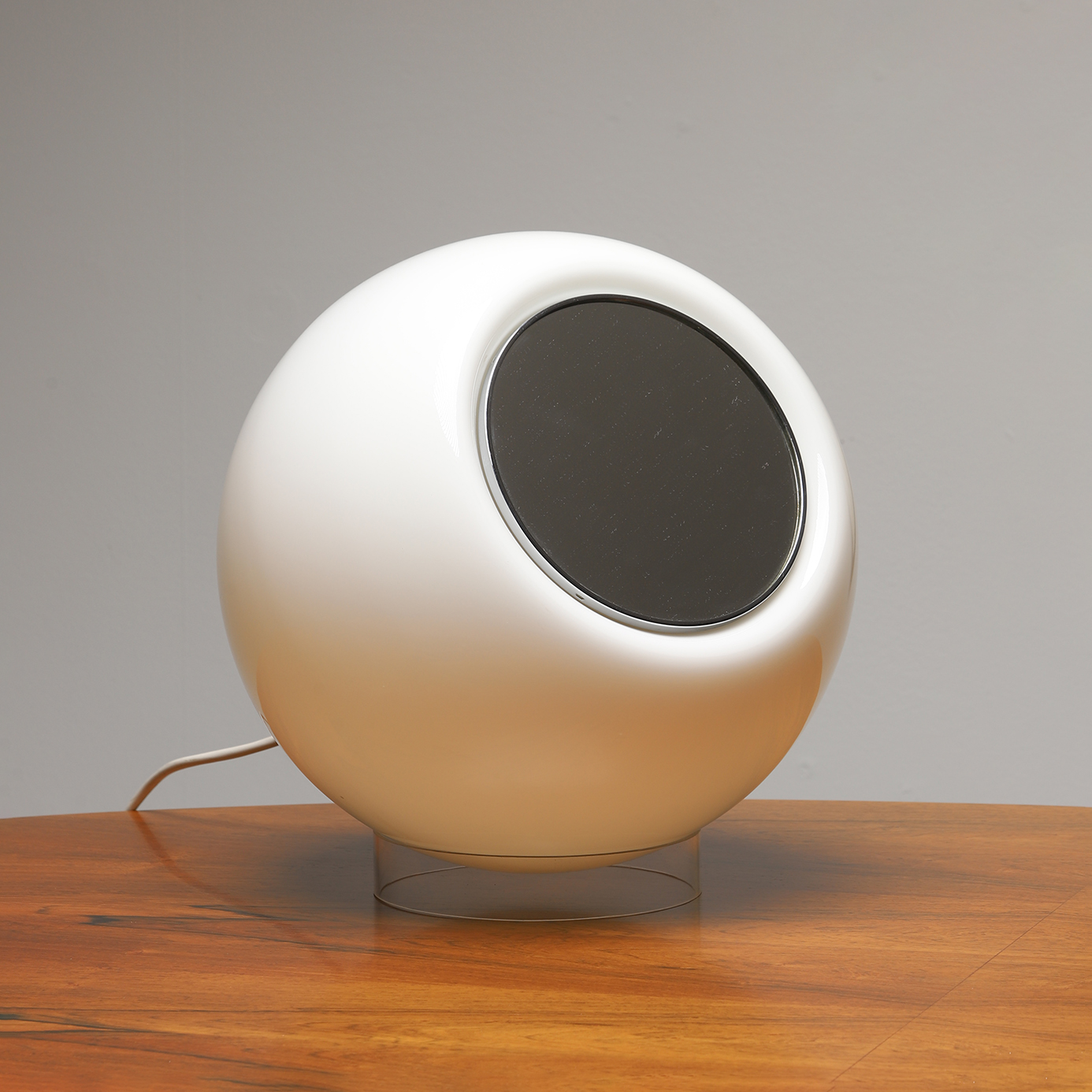
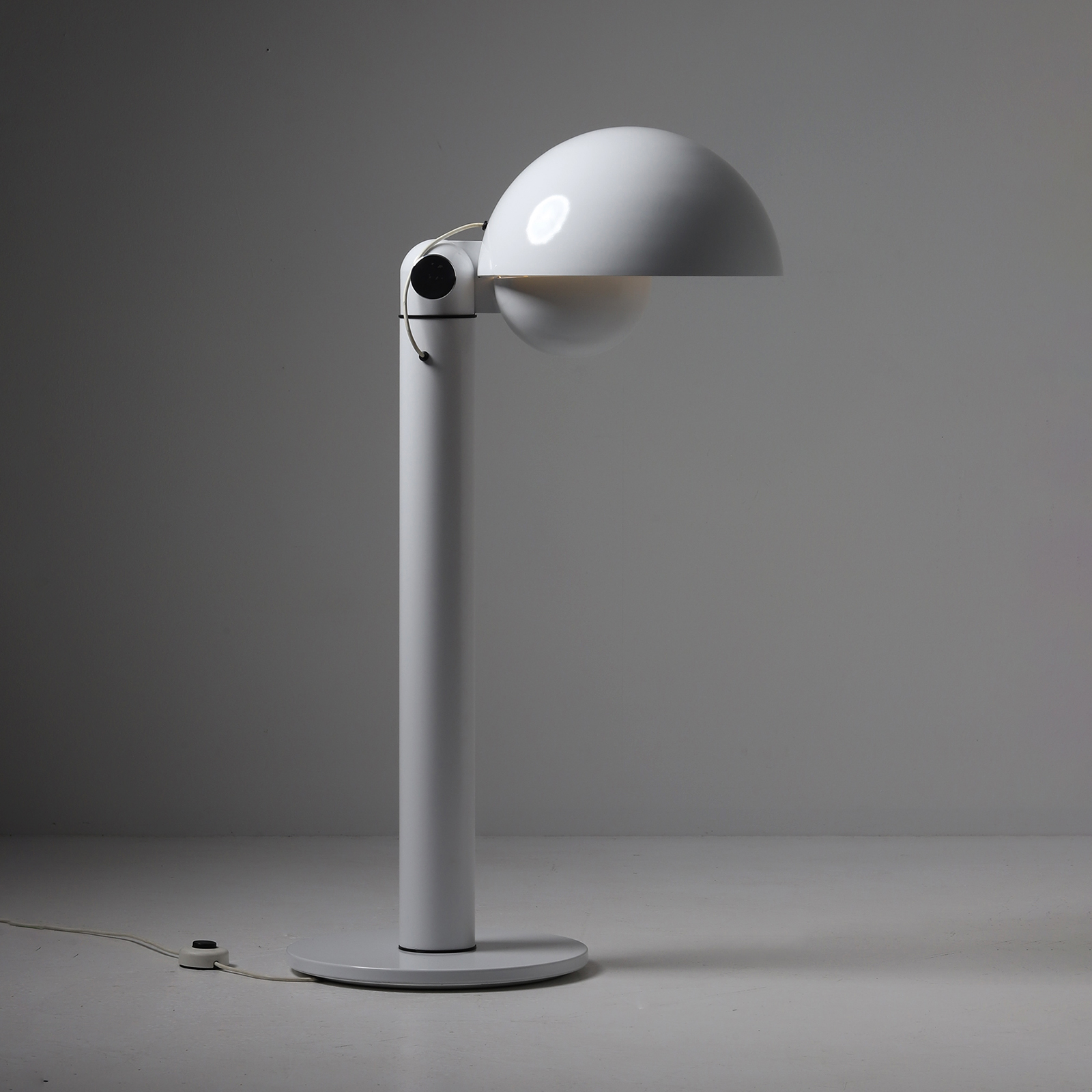
I've just received the lamp.
It's in great condition and has been so well packed!
So many thanks again and I'll for sure look from time to time on your web site due to the quality of the products you are selling.
Kind regards, Emmanuelle
Hi Lenz
The sideboard arrived today, safe and sound. It is now unpacked and in place - I am so delighted with it -
I don't think there are many of these in the UK!
I will keep an eye on your updates for any future treasures - I have to say that the Hendrickx ceramic sideboard you have just listed
is more a work of art than a piece of furniture!
Thanks again, and very best regards,
James